The Intricacies and Impact of Jueteng in the Philippines
Jueteng is more than just an illegal numbers game in the Philippines; it is a cultural phenomenon that has intertwined itself with the socio-political and economic fabric of Filipino society. With the keyword ph945 as a centerpiece of discussion, we delve into the complex layers of jueteng, uncovering its historical roots, pervasive influence, and the ongoing efforts to regulate or eradicate this illicit activity.PAGCOR
The Historical Roots of Jueteng
To understand jueteng, one must first explore its origins. Jueteng traces back to the Spanish colonial period when it was introduced by Chinese immigrants. The game quickly gained popularity due to its simplicity and the lure of financial gain it promised. Despite its illegal status, jueteng has persisted through centuries, deeply embedding itself in the daily lives of many Filipinos.
Rules and Mechanics
Jueteng operates on a simple principle, making it accessible to a broad audience. Players pick a combination of numbers, usually between 1 and 37, and place bets on them. The winning combination is drawn using a pair of dice, ensuring an element of chance that appeals to the hopeful gambler. The appeal of jueteng lies in its simplicity, and the relatively low cost of entry, making it accessible to a wide spectrum of society, from the impoverished to the middle class.
Socio-Economic Impact of Jueteng
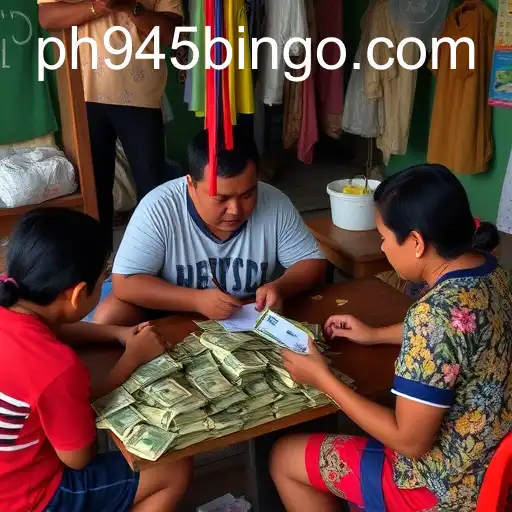
Jueteng's impact extends beyond individual financial gain or loss. It has socio-economic consequences that are complex and far-reaching. Among the most significant of these is how jueteng serves as an alternative economy, particularly in impoverished regions. This underground economy creates jobs and provides a source of income for thousands, from bet collectors and cabos to financiers. However, the illicit nature of jueteng means that these financial gains are not subject to taxation, representing a significant loss of revenue for the government.jl20
The Cycle of Poverty
The relationship between jueteng and poverty is intricate. On one hand, it provides opportunities for income in areas where legitimate employment is scarce. On the other hand, it perpetuates a cycle of poverty and dependency, as individuals may lose significant amounts of money, often more than they can afford, chasing the elusive jackpot. This dynamic creates a paradox where jueteng both alleviates and exacerbates poverty.
Political Influence and Corruption
No discussion of jueteng is complete without addressing its political dimensions. The revenues generated from jueteng do not only flow to the individuals directly involved in the game but also to various levels of law enforcement and political figures who turn a blind eye in exchange for a share of the profits. This informal tax is a part of entrenched political corruption, where local and national officials are sometimes implicated in protecting jueteng operators in return for financial backing during elections.CC7
Efforts to Curb Jueteng
The government's struggle to stamp out jueteng is well-documented and has proven to be a significant challenge. Numerous crackdowns have been attempted, but the game continues to flourish. Part of the difficulty lies in its decentralized nature and the protection afforded by corrupt elements within the government and law enforcement agencies. Legislation alone has been insufficient to eliminate jueteng, as the socio-economic conditions that fuel its popularity persist.
Cultural Persistence and the Way Forward
Why is jueteng so resilient in the face of repeated government efforts to eliminate it? The answer lies in its deep cultural roots and the role it plays in daily life. Jueteng offers more than just financial hope; it is a social activity that fosters community interaction. Efforts to curb jueteng must, therefore, address the socio-economic conditions and provide viable alternatives for income and community bonding.77JL
Regulation vs. Eradication
Some argue that legalizing and regulating jueteng, similar to how other forms of gambling operate, could be a more effective strategy. Regulation could potentially channel the revenues into public funds and reduce corruption. However, this approach has its critics who argue that legalization could normalize gambling and lead to greater social harm in the long run.PAGCOR
In conclusion, jueteng is not just a game; it is a lens through which the complexities of Filipino culture and society can be examined. While the path forward remains uncertain, any solution must consider the intricate balance between cultural practices, economic realities, and the need for reform in governance. Jueteng's story is a testament to the resilience and adaptability of informal sectors within the socio-economic fabric of the Philippines. To address it comprehensively requires an approach that is just as complex and multifaceted as the game itself.